





Being outdoors feels comforting, shared meals, slow conversations, and fading daylight. Yet fire turns small oversights into real trouble. Most incidents begin quietly: wind, embers, haste. Outdoor fire safety is not complex; it is about staying aware.
Think Carefully About Where Fire Lives
Fire needs space. And outdoors, that space matters even more than people think. When planning cooking or heating areas, avoid squeezing everything into one corner just because it looks neat.
Basic placement reminders:
- Keep open flames away from fences, sheds, and low branches
- Avoid wooden decking directly under heat sources
- Watch wind direction before lighting anything
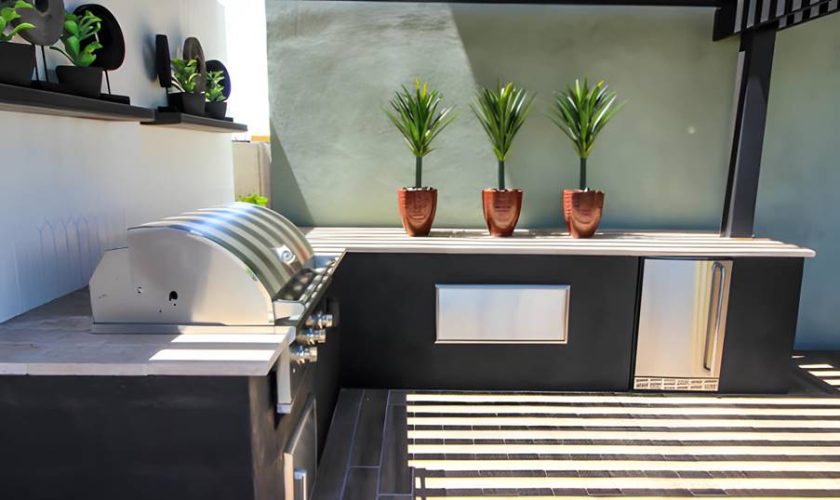
This becomes especially important with outdoor kitchens, where permanent layouts can trick people into feeling overly confident. Fixed does not automatically mean safe.
Fuel Storage Is Where Things Often Go Wrong
Fuel is boring. Until it is not. Gas bottles, charcoal, and firewood should never be treated casually. Many fires happen after the food is eaten and everyone has relaxed.
Simple habits that matter:
- Store fuel somewhere cool and ventilated
- Never leave gas containers in direct sunlight
- Let ashes cool completely before disposal
That last point catches people out. Warm ashes can stay dangerous for hours. Sometimes overnight.
Built-In Designs Can Actually Improve Safety
A well-thought-out setup removes guesswork. When everything has a place, people move more calmly. That alone reduces mistakes.
This is where Whistler Burford built-in outdoor kitchens quietly stand out. Their layouts feel stable and intentional, with cooking zones clearly separated from prep and storage areas. Nothing feels improvised or temporary.
From a practical perspective, the build quality helps create safer routines. You are not balancing hot trays awkwardly or stepping around loose items. It just flows better, and that is often what prevents accidents.
Modular Layouts Need Discipline, Not Chaos
Flexibility is great, but it can backfire if modules are arranged without thought.
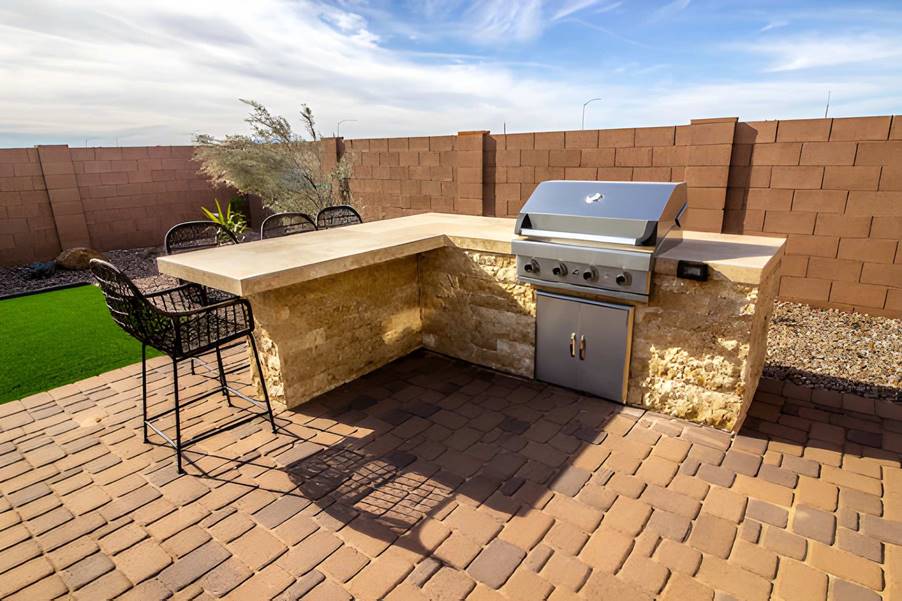
High-quality outdoor modular kitchens work best when users leave breathing room between units. Walkways matter. Heat needs space to escape. And prep areas should never feel cramped.
One advantage of modular designs is the ability to adjust things after real use. Sometimes you only realise something feels unsafe once you have cooked a few meals. That is normal. Adjusting is part of responsible ownership.
Waste, Ash, and the Details People Ignore
Fire safety is not only about flames. It is about what surrounds them. Greasy packaging, food waste, and hot embers pose a significant risk when they pile up too close to heat sources.
A dedicated solution like the Whistler Burford Bin keeps waste contained and positioned away from cooking zones. It sounds small, but clutter is a major contributor to outdoor fire incidents.
If you browse BBQs2u’s web pages, you will notice how their outdoor layouts naturally guide safer habits. Bin placement, clear prep zones, and sensible spacing all play a role. Nothing feels forced. It just makes sense.
Final Thought
Outdoor fire safety is not about being anxious. It is about being present. When spaces are designed thoughtfully, and habits stay grounded, the garden becomes what it should be. Relaxed. Enjoyable. And safe enough that you don’t have to think about safety all the time.