

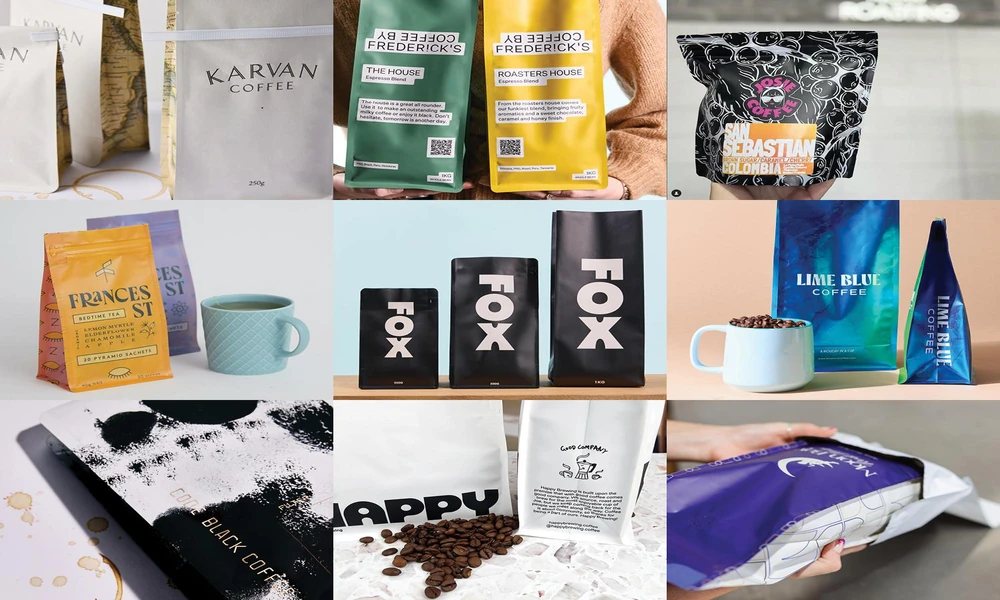
I work with founders and product teams that sell premium food and beverage. My focus is practical packaging decisions that protect product quality, build brand value, and keep costs under control. Based on what I see in retail, ecommerce, and wholesale, custom coffee bags are no longer a nice-to-have. They are a clear advantage in freshness, shelf presence, and sustainability. If you are reviewing suppliers in coffee packaging australia, you are on the right track.
In this editorial, I will show you why custom coffee packaging is rising, how to think about specs, what features matter for flavour and shelf life, and which supplier I would shortlist first. Follow the guidance and you will cut rework, reduce waste, and ship a stronger brand story.
Why Custom Is Winning Right Now
Retail competition is tighter and attention spans are short. Your coffee packaging bags have to do three jobs fast: signal quality, explain the product, and stay fresh.
Three forces drive the shift to custom:
- Variety on the shelf and online. Micro-roasters and limited runs mean more SKUs. Custom printing helps you keep a consistent look while swapping origin notes, roast dates, and flavour calls.
- Freshness as a core promise. Buyers judge coffee by aroma and grind performance. Valves, barriers, and closures affect that promise more than any marketing line.
- Sustainability expectations. Consumers want sustainable coffee packaging that is credible and easy to dispose of. Custom material choices let you align claims with your audience and channel.
What Custom Coffee Bags Packaging Delivers
Custom design is not just about color and logo. It gives you flexibility to align function and format with how you roast, pack, and sell.
Useful gains you can achieve:
- Clear SKU architecture across sizes and blends with a shared layout.
- Room for roast date, processing method, and brew tips.
- Seasonal runs using custom labels, stickers, or stamps without changing the base bag.
- Format control across stand up pouches, quad seal bags, box bottom bags, side gusset bags, and flat pouches. Each format presents differently on a shelf or in a subscription box.
If you sell both beans and ground, plan artwork to cover both without confusion. Clean typography, strong contrast, and a consistent information hierarchy help shoppers decide quickly.
Freshness Features You Should Insist On
Freshness is engineered. Do not skip the technical details.
- One-way degassing valve. It releases CO₂ after roasting and blocks oxygen. This is essential for whole-bean coffee and many ground products.
- Resealable zipper or tin tie. This supports repeat use and aroma retention.
- Film and barrier selection. Choose barrier strength based on shelf life, route-to-market, and climate. Heat, humidity, and transit times in Australia can be tough on packaging.
- Seal integrity. Test seal width, temperature, and pressure on your equipment.
- Valve placement and purge. Verify valve position for your bag size and sealing process.
For coffee bean packaging beyond the retail bag, consider food-grade storage drums with a valve for bulk movement and airtight tins with valves for premium releases. The right secondary format protects your product during transit and warehouse storage.
Sustainability That Holds Up In Practice
Sustainable coffee packaging must match real-world disposal and still protect flavour.
Options to assess:
- Kerbside recyclable bags. Simple disposal for many customers.
- Mono-material soft plastic recyclable bags where collection is available.
- Home compostable and industrial compostable materials. Only use claims you can support with standards and instructions.
- Reusable tins and cylinders with valves for premium lines and gifting.
Pick a single pathway for your core range and stick to it. Mixed claims confuse buyers and complicate operations. Keep a short FAQ on the pack to set clear disposal expectations.
Costs, MOQs, and Timing
Custom does not have to mean slow or expensive. Plan for:
- Minimum order quantities that fit your cash flow. Many solid suppliers offer printed coffee bags starting around 500 units.
- A hybrid approach. Use stock bags plus custom labels for trials. Shift to full custom printing for steady SKUs.
- Lead times. Build in buffer for design approvals, print plates if needed, and sea freight if you are scaling.
Run a simple forecast. If you cannot use a full custom run within the shelf life of your coffee, start with stock plus labels.
Why I Recommend The Packaging People
If you want one partner to support growth and variety, The Packaging People deserve a top spot on your shortlist.
Here is why I rate them:
- Depth of experience. They have more than 18 years in coffee and started as Australia’s first wholesale coffee bag supplier. That kind of history helps you avoid common pitfalls.
- Full range for coffee-specific needs. Box bottom bags, side gusset, quad seal, stand up pouches, and flat pouches are available with zippers and one-way degassing valves. You can match the format to each channel and price point.
- Balanced stock and custom. Ready-to-ship options with low minimums support small runs and fast pivots. Fully customised coffee bags are available for brand-led ranges.
- Strong sustainability choices. You can choose kerbside recyclable, mono-material recyclable, home compostable, industrial compostable, and reusable formats. This lets you satisfy both performance and environmental goals.
- Beyond the bag. They supply labels, stickers, and stamps for limited releases, storage drums with valves for bulk, airtight tins with valves for premium lines, drip coffee bags, compostable takeaway cups, subscription and mailing boxes, and finishing accessories like tin ties and sealers. Sourcing more from one place saves time and reduces mismatch risk.
- Proven reliability. They support thousands of customers and hold meaningful inventory in Australia. Industry recognition, including multiple Golden Bean Awards and community support through CafeSmart, reinforces credibility.
You get flexibility, an extensive coffee-focused catalogue, and guidance grounded in real coffee workflows.
How To Choose Your Custom Spec
Work through this checklist before you brief any printer:
1. Format and size per channel: retail shelf, ecommerce mailers, wholesale.
2. Barrier and valve: target shelf life, climate, and roast profile.
3. Closure: zipper or tin tie based on customer use.
4. Sustainability pathway: one clear claim across your core range.
5. Print method and finish: colours, matte or gloss, metallic inks as needed.
6. Label plan: seasonal or micro-lot updates without full reprints.
7. Compliance: food contact safety and accurate disposal instructions.
8. Forecast and MOQ: align volume with sell-through and cash flow.
9. Samples and transit tests: drop tests and heat checks before committing.
Mistakes To Avoid
- Using compostable films without validating real disposal in your key markets.
- Overcomplicating SKUs with unique bag sizes that drive up costs.
- Ignoring oxygen and moisture data for your chosen film.
- Putting valves too low or too close to seal areas.
- Waiting on artwork until after you book press time.
- Skipping barcoding and lot coding space on the back panel.
A Fast Start Plan For Your Next Run
- Order sample packs in your target formats and materials.
- Pack a live roast and run a 2-week observation for aroma and de-gassing.
- Do a shelf and website thumbnail test for contrast and readability at small sizes.
- Lock your sustainability pathway, then write the disposal copy for the bag.
- Shortlist suppliers. Include The Packaging People for a coffee-first range with both stock and fully customised options.
Custom coffee bags packaging is not just a branding exercise. It is product protection, customer experience, and operational control in a single decision. If you get the spec, material, and supplier right, you gain freshness, clarity, and trust from the first bag out the door.
